- Color paste
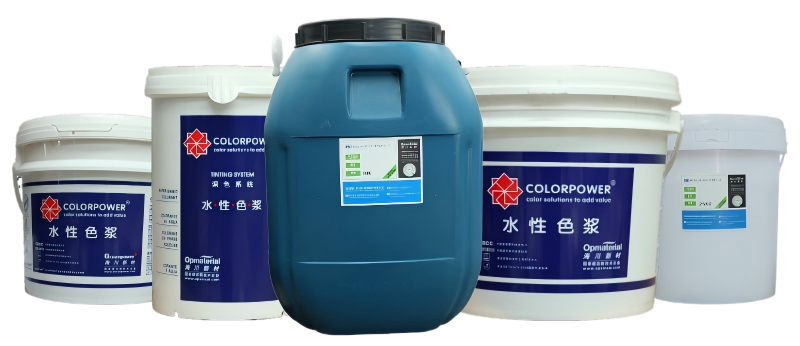
CP Factory Color Matching Series Pigments
- auxiliary agent
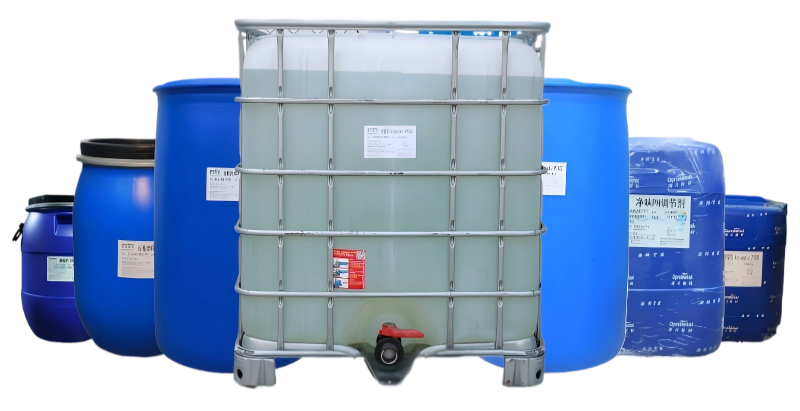
auxiliary agent
Why Paint Film Dries on the Surface but Remains Wet Inside: Causes & Solutions

Why Paint Film Dries on the Surface but Remains Wet Inside: Causes & Solutions
Paint film that dries on the surface but stays uncured inside is a common and critical defect in the coatings industry. This issue leads to poor appearance (peeling, blistering, dull color), weak mechanical properties (flaking, cracking, low abrasion resistance), and failed functional performance (loss of corrosion resistance and weatherability). It shortens service life and reduces protection for the substrate, so solving this problem is essential for high-quality coatings.
How Paint Dries: Core Mechanisms
Paint drying follows three main mechanisms:
Physical drying: Relies on solvent or thinner evaporation, highly dependent on temperature and humidity. Fast in high-temperature, low-humidity environments; slow in low-temperature, high-humidity conditions.
Chemical drying: Achieves molecular crosslinking through oxidation, polymerization, polycondensation, or UV curing to form a stable film.
Hybrid drying: Combines physical and chemical drying, typical of alkyd resin systems.
Root Causes of Surface-Dry-Interior-Wet Paint Film
1. Evaporation–Diffusion Mismatch (Physical Drying)
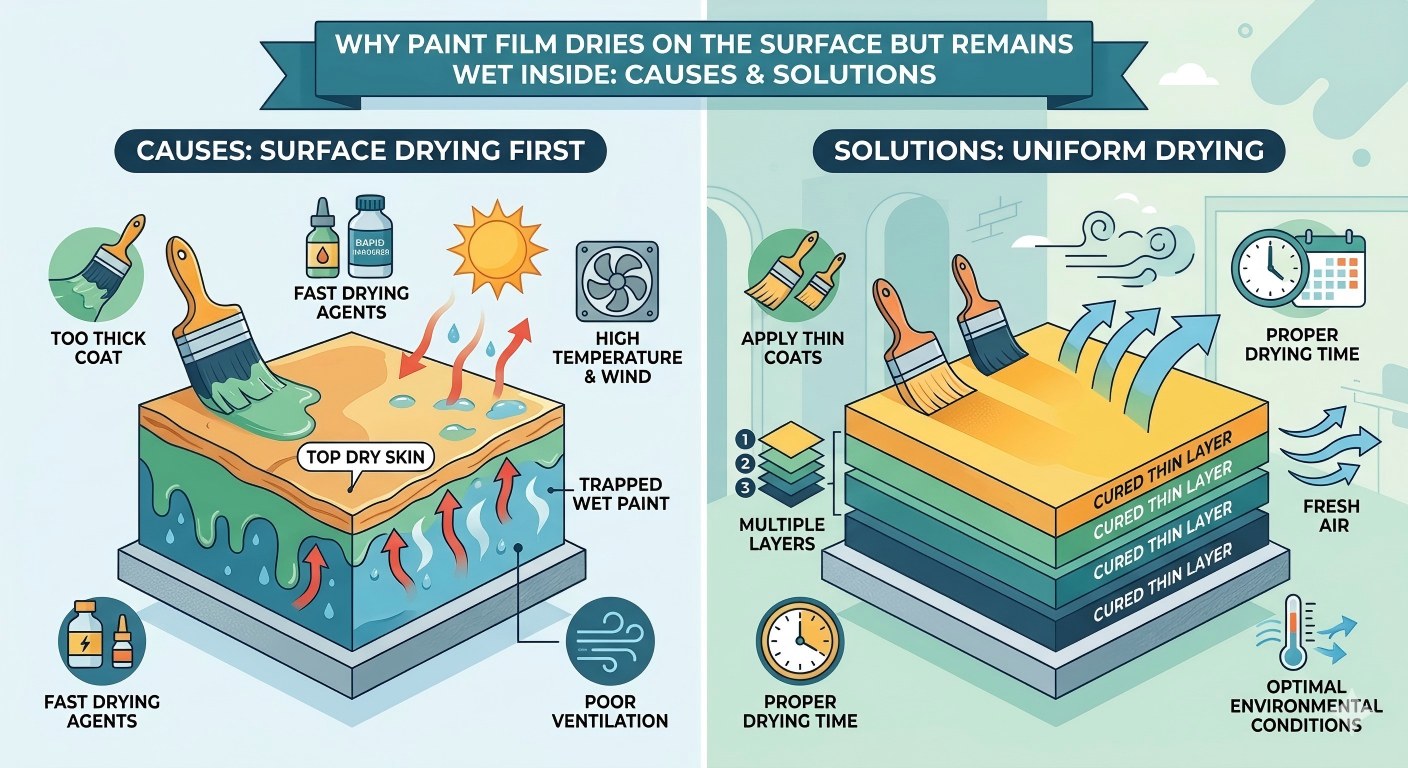
Surface drying speed depends on external solvent evaporation, while interior drying relies on solvent diffusion. When evaporation far outpaces diffusion, the surface forms a hard skin rapidly, trapping solvent inside and blocking further volatilization—directly causing the surface-dry-interior-wet problem.
2. Oxygen Blocking in Oxidative Curing (Chemical Drying)
Oxidative coatings need oxygen to cure. Once the surface forms a dense crosslinked network, oxygen penetration into the inner layer is blocked. The oxygen-deficient inner layer cannot fully polymerize, resulting in incomplete curing.
3. Crosslink Density Gradient
The surface layer has higher crosslink density and glass transition temperature (Tg), creating a glassy barrier that slows inner solvent release and oxygen diffusion. The inner layer retains more solvent and cures much slower.
4. Solvent System Design
Fast solvents speed up surface drying but easily form a tight skin. Slow solvents maintain interior fluidity and prevent premature skinning. A poorly balanced solvent system leads to unbalanced drying rates.
5. Resin Molecular Weight
High-molecular-weight resins have high viscosity and slow solvent diffusion, trapping residual solvent. Low-molecular-weight resins flow better but require stronger crosslinkers. The key is to control crosslinking rate slower than solvent diffusion.
6. Improper Use of Driers
Surface driers (cobalt, manganese salts) accelerate surface curing and may over-harden the top layer. Crosslink driers (lead, zirconium salts) boost overall crosslinking. Uneven drier distribution—surface enrichment and inner deficiency—worsens interior undercuring.
7. Excessive Film Thickness
When applied film thickness exceeds the critical value, inner solvent diffusion distance becomes too long. Each 0.2 mm increase in thickness causes an exponential rise in residual solvent. Thick films also create thermal resistance, widening inner–outer temperature and curing gaps.
8. Environmental Conditions
High temperature speeds surface evaporation but causes rapid skinning. High humidity suppresses evaporation and delays drying. Unsuitable temperature and humidity directly cause unbalanced inner–outer curing.
9. Pigment Volume Concentration (PVC) & Additives
When PVC exceeds the critical level, pigments form a continuous network that blocks solvent diffusion. Plasticizers, leveling agents, and dispersants may slow drying, reduce drier activity, or retain solvent.
Practical Solutions to Prevent Surface-Dry-Interior-Wet Defects
Formulation Adjustments
Use a mixed solvent system to balance evaporation and diffusion rates.
Optimize drier ratios: reduce surface driers, increase crosslink driers for uniform curing.
Add slow-release additives to delay surface skinning.
Apply microencapsulated curing agents for controlled release.
Construction & Process Controls
Apply in multiple thin coats (2–3 layers) instead of one thick coat to stay under critical film thickness.
Use gradient heating to avoid rapid surface hardening.
Ensure good ventilation to improve oxygen penetration and solvent removal.
Control environment: recommended conditions 50–60°C, relative humidity <60%.
Common Mistakes to Avoid
Believing high temperature always speeds drying: it causes premature skinning.
Overusing driers: leads to surface over-curing and inner trapping.
Ignoring pigment effects on solvent diffusion.
Conclusion
Surface-dry-interior-wet paint film stems from unbalanced evaporation–diffusion, blocked oxygen, improper formulation, and poor construction control. By optimizing solvent systems, drier ratios, film thickness, and environmental conditions, you can achieve uniform, complete curing and ensure durable, high-performance coatings.