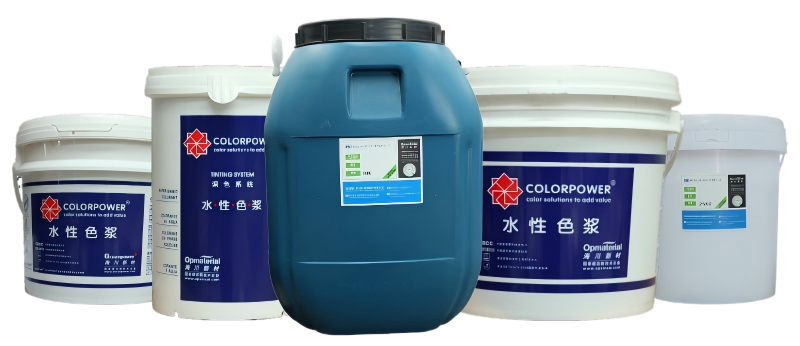
- Color paste
CP Factory Color Matching Series Pigments
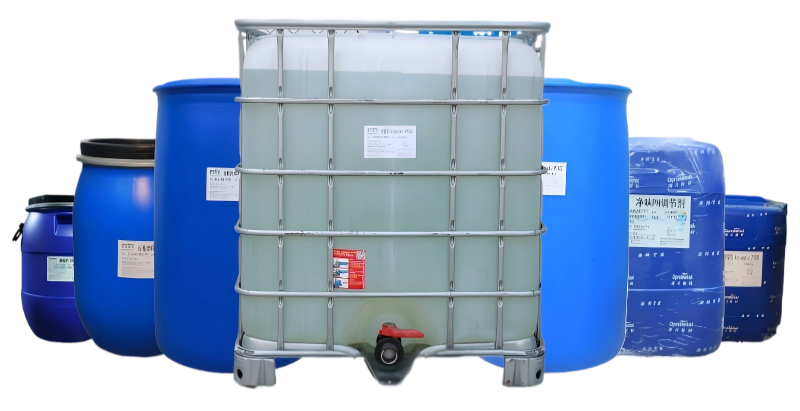
- auxiliary agent
auxiliary agent
Coating Yellowing:Causes,Mechanisms &Comprehensive Solutions

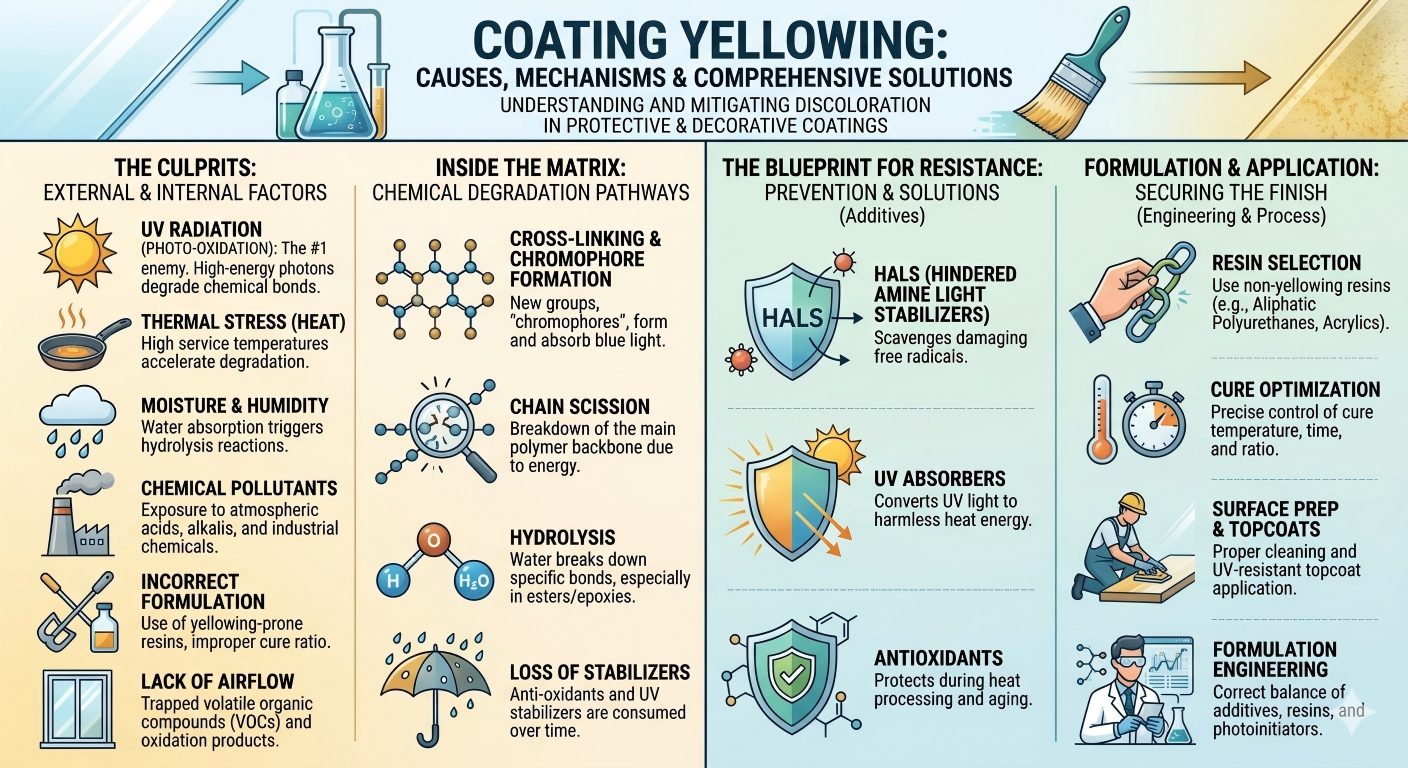
Coating Yellowing: Causes, Mechanisms & Comprehensive Solutions
Coating yellowing is a pervasive, irreversible film defect that undermines product aesthetics, durability, and brand value. Rooted in free-radical oxidation and photodegradation, it demands targeted formulation and material selection for effective prevention and remediation. This technical guide delivers a concise, industry-focused analysis for paint manufacturers, formulators, and industrial coating applicators.
1. Core Mechanism of Yellowing
Yellowing arises from the formation of light-absorbing chromophores (conjugated carbonyls, quinones, polyenes) via a three-stage free-radical chain reaction:
Initiation: UV radiation, heat, or chemical stress breaks weak molecular bonds, generating free radicals.
Propagation: Radicals react with oxygen to form peroxyl radicals, which propagate oxidation and accelerate chromophore accumulation.
Termination: Stable chromophores form, causing permanent yellow-to-brown discoloration that cannot be reversed by cleaning.
2. Key Influencing Factors
Environmental Triggers
UV Radiation (290–400 nm): The primary driver of photodegradation, breaking aromatic, amino, and hydroxyl bonds in resin systems.
Thermal Oxidation: Elevated temperatures accelerate hydroperoxide decomposition, the leading cause of yellowing in epoxy and high-temperature cured coatings.
Oxygen & Moisture: Oxygen enables radical propagation; moisture hydrolyzes ester/amide bonds, increasing film permeability and oxidation susceptibility.
Atmospheric Contaminants: NOₓ, SOₓ, and ozone act as oxidation catalysts, exacerbating uneven discoloration.
Material-Specific Variables
Resin SystemYellowing SusceptibilityRoot CauseAromatic PolyurethaneHighBenzene ring oxidation to quinonesEpoxy (Amine-Cured)HighAmine oxidation and thermal degradationAlkydMedium-HighAuto-oxidation of unsaturated fatty acid chainsStyrene-AcrylicMediumAromatic ring photodegradationAliphatic PolyurethaneLowNo aromatic structure, minimal chromophore formationSaturated AcrylicVery LowInert, stable molecular backboneAdditive & Pigment Impacts
Pigments: Rutile TiO₂ (excellent UV scattering, low photoactivity) is the gold standard for anti-yellowing; anatase TiO₂ accelerates degradation.
Driers & Catalysts: Cobalt/manganese driers catalyze oxidation, a hidden cause of long-term yellowing in alkyd systems.
Fillers: Functional fillers (e.g., nano-silica) enhance barrier properties, reducing oxygen/moisture penetration.
3. Comprehensive Anti-Yellowing Solutions
A synergistic, multi-layered stabilization system is required to interrupt the oxidation chain at every stage:
Resin Selection: Prioritize aliphatic polyurethane, saturated acrylic, or low-yellowing epoxy variants for high-performance applications.
Stabilizer Package:
UV Absorbers (UVA): Benzotriazole/triazine-based UVAs absorb harmful UV radiation, converting it to harmless heat.
Hindered Amine Light Stabilizers (HALS): Capture free radicals, break propagation cycles, and regenerate for long-term durability.
Antioxidants: Primary (radical scavenging) and secondary (hydroperoxide decomposition) antioxidants prevent thermal oxidation.
Pigment & Barrier Optimization: Use rutile TiO₂ and functional fillers to create a physical UV/oxygen barrier.
Process Control: Optimize curing conditions to avoid residual stress and incomplete crosslinking, which accelerate degradation.
4. Conclusion
Coating yellowing is an irreversible chemical degradation process, making proactive formulation the only viable solution. By combining yellowing-resistant resins, a synergistic stabilizer system, and optimized material selection, manufacturers can achieve long-term color stability, superior aesthetics, and extended service life for architectural, industrial, and automotive coatings.
Readability: Concise technical structure, scannable sections, and industry-specific terminology for professional audiences
Meta Description (Ready-to-Use):
Learn the root causes, mechanisms, and professional solutions for coating yellowing. A technical guide for paint manufacturers and formulators on anti-yellowing resin selection, stabilizer systems, and color stability.