- Color paste
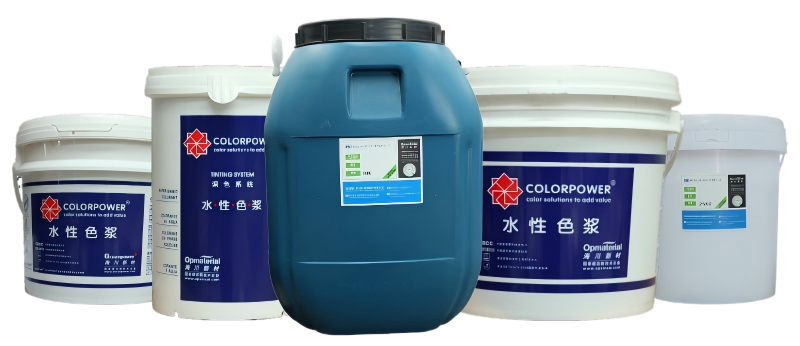
CP Factory Color Matching Series Pigments
- auxiliary agent
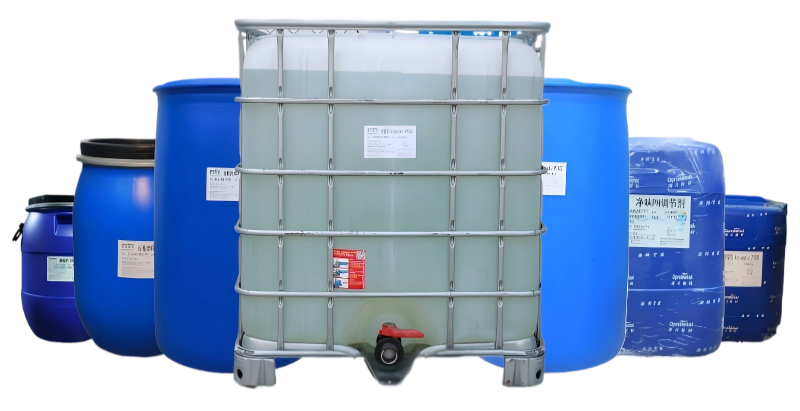
auxiliary agent

How to Choose the Right In-Can Preservative for Coatings

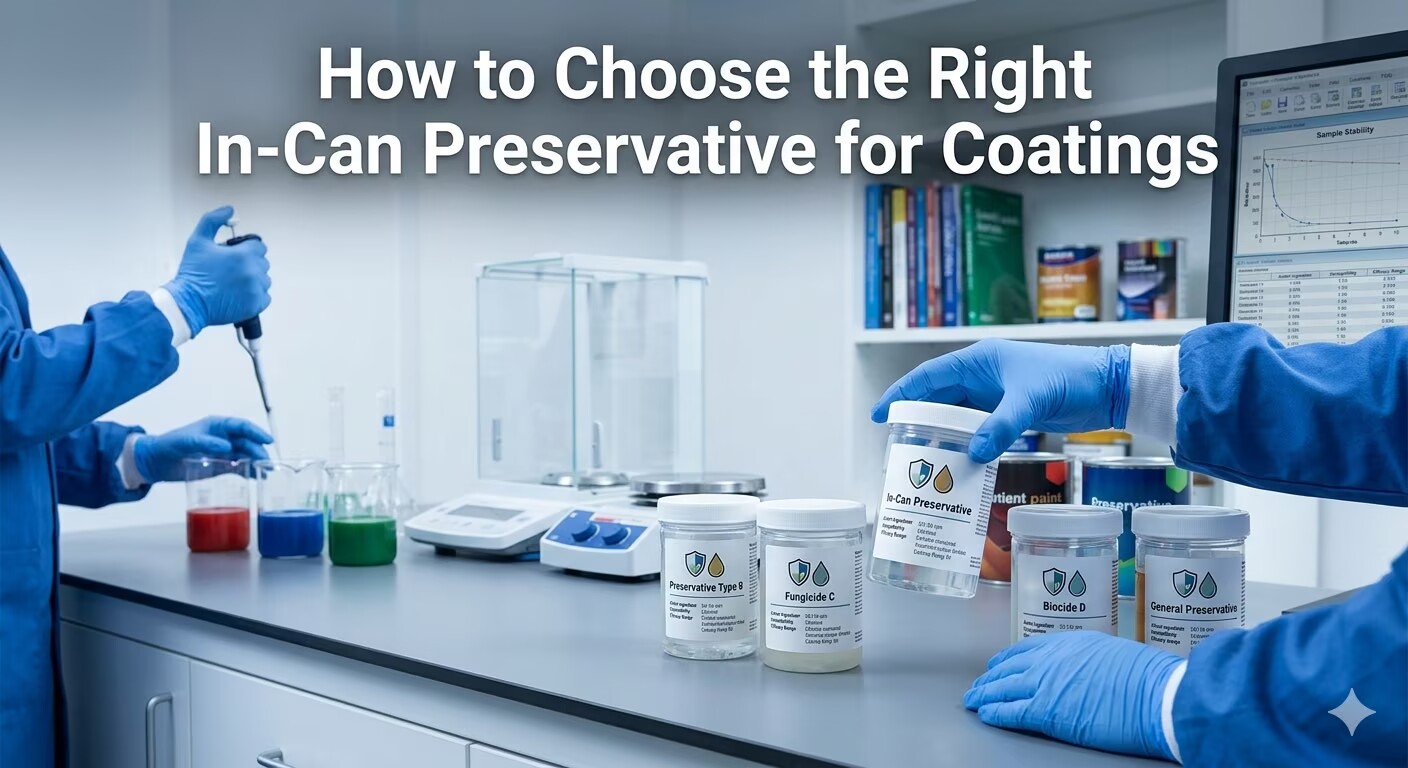
A complete guide to choosing in-can preservatives and coating biocides. Learn key factors for water-based paints, latex coatings, application environment and safety standards.
Choosing the correct in-can preservative is critical for coating manufacturers. The right biocide improves stability and performance, while an inappropriate one may lead to compatibility issues or insufficient protection against bacteria and mold.
First, consider the coating system. water-based paints and emulsions require water-soluble, highly compatible biocides with broad-spectrum activity. Oil-based coatings may need specialized oil-soluble preservatives. Understanding your formulation helps you select the most effective fungicide for latex paint.
Second, focus on application environment. Exterior wall coatings, damp basements, and bathroom coatings require stronger fungicidal and algicidal properties. Interior architectural paints demand low-odor, eco-friendly formulations.
Third, verify environmental and safety standards. Top coating biocides comply with global regulations, offering low toxicity and safe application. Low VOC coating preservatives are increasingly preferred for green building projects and export markets.
Finally, dosage and stability matter. Most preservatives work effectively at low addition rates, usually between 0.1% and 0.3%. Thermal stability and pH compatibility also ensure reliable performance in different production processes.
By evaluating these factors, manufacturers can select the ideal biocide to prevent spoilage, improve durability, and strengthen product competitiveness.